Go Physical Therapy

Why Posture Matters for Your Health

January, 2026

Good posture is more than standing tall—it’s about maintaining proper alignment to reduce strain on your muscles and joints. Poor posture can lead to chronic pain in the back, neck, shoulders, and even hips. In 2026, taking steps to improve your posture can help prevent discomfort, increase energy, and improve your overall quality of life.

How Physical Therapy Helps
Physical therapists are experts in identifying postural imbalances and designing personalized plans to address them. Through assessment, exercise, and education, physical therapy can help you:

  • Strengthen weak muscles that support your spine.
  • Stretch tight muscles that pull your body out of alignment.
  • Learn proper body mechanics for sitting, standing, and daily activities.
  • Reduce the risk of chronic pain caused by poor posture.
  • Stretches to Support Better Posture.

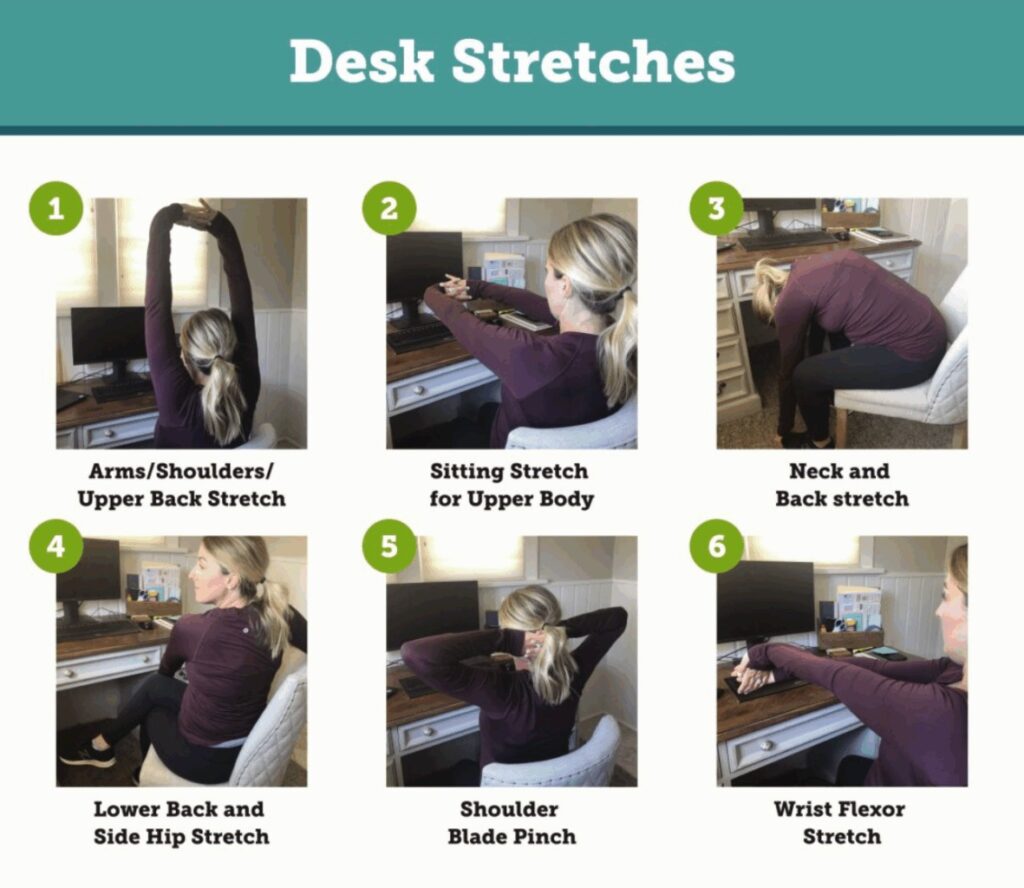
Incorporating targeted stretches into your routine can relieve tension and improve flexibility. Recommended posture-focused stretches include:

  • Chest Stretch: Opens the chest and counteracts slouching.
  • Neck and Shoulder Stretch: Reduces stiffness from long hours at a desk.
  • Hip Flexor Stretch: Helps prevent lower back strain from sitting.
  • Spinal Twists: Promote spinal mobility and alignment.
  • Strengthening Exercises for a Stronger Spine.

Strong muscles help maintain proper posture throughout the day. Physical therapists often suggest exercises such as:

  • Planks and Side Planks: Build core stability.
  • Rows with Resistance Bands: Strengthen the upper back to combat forward shoulders.
  • Bridges: Support your lower back and glutes.
  • Wall Angels: Improve shoulder mobility and posture alignment.
  • Performing these exercises 3–4 times per week can create lasting improvements.

Ergonomic Tips for Daily Life
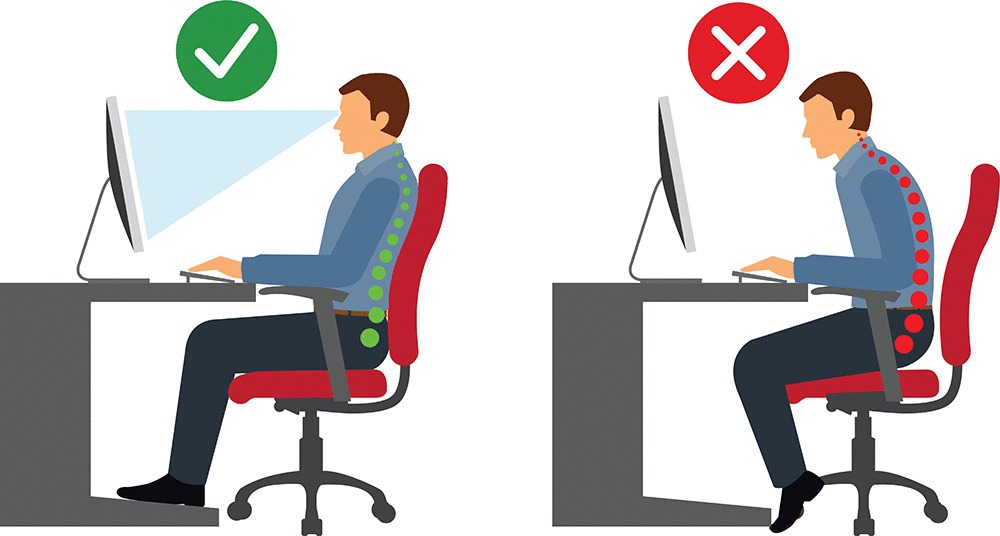
Even with stretches and strengthening, your environment plays a big role in posture. Here are some ergonomic tips:

  • Keep your computer monitor at eye level.
  • Adjust your chair and desk so your feet rest flat on the floor and elbows are at 90°.
  • Use a lumbar pillow if sitting for long periods.
  • Take frequent breaks to stretch and walk around.
  • When to See a Physical Therapist.

If you experience chronic pain, stiffness, or fatigue, it’s time to consult a physical therapist. They can design a personalized program to correct postural issues, prevent pain, and improve mobility. Early intervention can make all the difference in long-term health.

Don’t let poor posture cause pain in 2026! Schedule a consultation with Go Physical Therapy today and start your journey toward better alignment, stronger muscles, and a healthier life.